

Why Heavy Dental Loupes Don’t Work for Hygienists
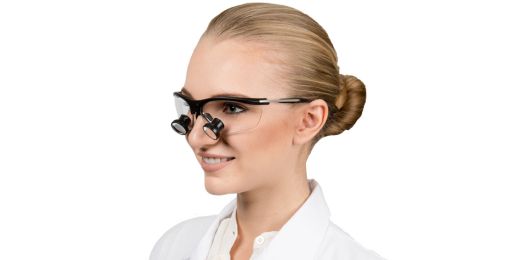
In dental hygiene, precision and repetition go hand in hand. Hygienists spend hours in static positions, often performing fine,work. This is exactly why choosing the best dental loupes for hygienists is not just about detail-oriented magnification. Weight and ergonomics play a much bigger role than many expect.
Heavy loupes may seem durable or high-powered, but in daily hygiene practice, they often create more problems than they solve. Understanding why helps hygienists make better long-term decisions.
Best Dental Loupes for Hygienists: Why Weight Matters
When evaluating the best dental loupes for hygienists, weight should be one of the first considerations, not an afterthought.
Hygienists typically work in shorter cycles but with constant movement and repositioning. Unlike longer, fixed procedures, hygiene work requires flexibility and endurance.
Heavy loupes can quickly lead to fatigue. Even a small increase in weight becomes noticeable after several hours of continuous use.
The Strain Adds Up Over Time
At first, heavier hygienist loupes may feel manageable. However, repeated use throughout the day places strain on the neck and shoulders.
This strain is not always immediate. It builds gradually, leading to stiffness, discomfort, and reduced mobility.
Over weeks and months, this can affect posture and even lead to long-term musculoskeletal issues.
Why Hygienists Are More Affected
Hygienists often change positions frequently. They move around the patient and adjust angles more often than dentists performing fixed procedures.
This constant motion amplifies the impact of weight. Heavier loupes make each movement slightly more demanding.
Over time, this increased effort leads to fatigue that can affect both comfort and performance.
Impact on Precision and Focus
Fatigue does not just affect the body. It also impacts concentration and hand stability.
When muscles are strained, fine motor control becomes less consistent. This can reduce accuracy during detailed work.
In this way, heavy loupes indirectly affect the quality of care, even if the optics themselves are high quality.
The Ergonomic Reality of Dental Hygiene Work
Hygiene work requires a balance of visibility, mobility, and comfort. Equipment that disrupts this balance creates long-term challenges.
Posture Is Everything
Maintaining a neutral posture is critical for hygienists. Even slight forward tilts can lead to strain over time.
Heavy dental hygiene loupes often pull the head downward. This makes it harder to maintain proper alignment.
Lightweight designs support a more natural posture, reducing stress on the spine.
Repetition Amplifies Discomfort
Hygienists perform similar motions throughout the day. This repetition magnifies any discomfort caused by the equipment.
A small pressure point or imbalance can become a persistent issue after hours of use.
This is why comfort is not optional. It directly affects daily performance and long-term health.
Why Balance Matters More Than Power
Some users assume that higher magnification justifies additional weight. In hygiene work, this is rarely the case.
Moderate magnification with a lightweight design often delivers better overall results. It allows for flexibility without sacrificing clarity.
This balance is key when selecting the best dental ergonomic loupes for hygienists.
Key Problems with Heavy Loupes
Heavy loupes introduce several practical issues that affect daily usability.
Common Drawbacks
- Increased neck and shoulder strain
- Reduced mobility during procedures
- Faster onset of fatigue
- Difficulty maintaining proper posture
These issues make heavy designs less suitable for hygiene-focused workflows.
Reduced Wearing Time
When loupes are uncomfortable, users tend to remove them more often. This reduces consistency during procedures.
Frequent removal interrupts the workflow and reduces the benefits of magnification.
Lightweight hygienist loupes are more likely to be worn consistently, improving overall efficiency.
Compatibility with Daily Workflow
Hygienists need equipment that adapts to their routine, not the other way around.
Heavy loupes can feel restrictive, especially during longer appointments. This makes them less practical for everyday use.
Choosing the right design ensures that the loupes support, rather than hinder, daily tasks.
What to Look for Instead
Selecting the right loupes involves focusing on features that support comfort and usability.
Practical Selection Checklist
- Lightweight frame design
- Balanced weight distribution
- Adjustable fit for stability
- Moderate magnification for versatility
- High optical clarity
These features help ensure that the loupes perform well throughout the day.
Fit and Adjustability
A proper fit is just as important as weight. Even lightweight loupes can cause discomfort if they do not fit correctly. Adjustable components allow users to customize the fit to their needs. This improves stability and reduces pressure points. Understanding how fit affects comfort becomes clearer when considering practical adjustments discussed in tips for a comfortable fit with dental loupes.
Optical Quality Without Excess Bulk
High-quality optics do not have to come with added weight. Advances in design allow for clear, precise lenses in lightweight frames.
This ensures that hygienists can maintain accuracy without sacrificing comfort.
The goal is to achieve clarity and usability at the same time.
Comparing Heavy vs Lightweight Loupes
|
Feature |
Heavy Loupes |
Lightweight Loupes |
|
Comfort |
Low over time |
High for extended use |
|
Mobility |
Restricted |
Flexible |
|
Posture Support |
Limited |
Improved |
|
Daily Usability |
Inconsistent |
Reliable |
This comparison highlights why lighter designs are better suited for hygiene work.
Why Schultz Loupes Focus on Practical Design
Schultz Loupes emphasizes usability in real clinical environments. Their designs focus on reducing strain while maintaining optical precision.
This approach aligns with the needs of hygienists who require both comfort and performance throughout the day.
In addition to loupes, Schultz Loupes is also the ultimate place for buying surgical headlights. Their focus on precision and reliability extends across their product range.
Designed for Everyday Use
What sets Schultz Loupes apart is their attention to real-world conditions. Products are designed to support daily routines, not just meet technical specifications.
This makes them a practical choice for hygienists looking for consistent performance.
Final Thoughts
Heavy loupes may seem like a strong option at first, but they often fall short in hygiene settings. The combination of repetitive movement and long hours makes weight a critical factor.
The best dental loupes for hygienists prioritize comfort, balance, and usability. These qualities ensure that the loupes are worn consistently and perform reliably.
By focusing on lightweight design and proper fit, hygienists can improve both their comfort and the quality of their work over time.