

Flip-Up vs Through-the-Lens Loupes for Hygienists: Which Should You Choose?
Choosing the right loupe design is one of the first serious decisions hygienists make, especially during training. Many start their search with student loupes, expecting a straightforward choice. In reality, the decision between flip-up and through-the-lens designs has long-term implications for comfort, posture, and performance.
Both options offer clear magnification, but they differ in how they fit into daily workflows. Understanding these differences helps hygienists avoid costly adjustments later. A well-informed choice early on can significantly reduce fatigue and improve consistency in clinical work.
Student Loupes: Understanding the Two Main Designs
When exploring student loupes, the two primary options are flip-up and through-the-lens (TTL).
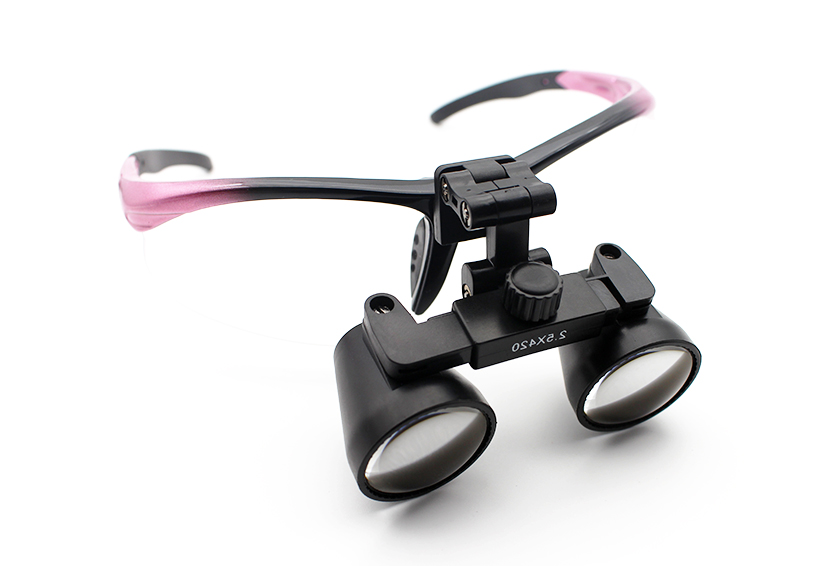
Flip-up loupes are mounted on a hinge, allowing the optics to be lifted when not in use. TTL loupes, on the other hand, are fixed directly into the lenses at a customized angle.
Each design has advantages, but the right choice depends on how you work, your level of experience, and your long-term ergonomic needs.
What Are Flip-Up Loupes?
Flip-up loupes are adjustable systems where the optical barrels can be repositioned. This makes them more flexible, especially for beginners.
They are often recommended by a student loupes company for first-time users who are still learning proper positioning.
This flexibility allows users to experiment with angles and working distances before committing to a fixed setup.
What Are Through-the-Lens (TTL) Loupes?
TTL loupes are custom-built based on your measurements. The optics are permanently set into the lenses.
This design offers a lighter and more streamlined feel. It also ensures consistent alignment during use.
However, because they are fixed, adjustments are limited once the loupes are made.
Key Differences That Matter in Practice
The choice between flip-up and TTL loupes is not just about preference. It directly affects comfort, efficiency, and long-term usability.
Weight and Comfort
Weight is one of the most noticeable differences.
- Flip-up loupes tend to be heavier due to the hinge mechanism
- TTL loupes are lighter and more balanced
For hygienists who work long hours, lighter designs often reduce fatigue and improve comfort. Over an extended clinical session, even minor weight differences can have a noticeable impact.
Adjustability vs Stability
Flip-up loupes offer adjustability. Users can change the angle and positioning as needed.
TTL loupes provide stability. Once set, they maintain consistent alignment without needing adjustments.
For beginners, adjustability can be helpful. For experienced users, stability often becomes more important.
Learning Curve and Adaptation
Flip-up loupes are easier to adapt to initially. They allow for trial and error during the learning phase.
TTL loupes require accurate measurements from the start. Once fitted correctly, they feel more natural over time.
This is why many students begin with flip-ups and later transition to TTL designs.
How Your Workflow Should Influence Your Choice
Hygienists have specific workflow demands that influence which loupe design works best.
Frequent Movement and Repositioning
Hygienists move around the patient more than most clinicians. This requires flexibility and quick adjustments.
Flip-up loupes can accommodate this movement more easily during the early stages of training.
However, once proper positioning becomes second nature, TTL loupes often provide better long-term comfort.
Posture and Ergonomics
Maintaining a neutral posture is critical in hygiene work. Poor alignment leads to strain over time.
TTL loupes are typically designed with ergonomics in mind. Their fixed angle encourages consistent posture.
Flip-up loupes can support ergonomics as well, but only if adjusted correctly each time.
Integration with Lighting Systems
Lighting plays a key role in visibility. Both loupe types can support headlights, but integration varies.
Flip-up systems may require additional adjustments to align lighting properly. TTL systems often provide more stable alignment.
Understanding how lighting affects performance becomes clearer when considering practical differences in LED surgical headlight vs traditional lighting.
Pros and Cons Breakdown
Flip-Up Loupes
Advantages:
- Adjustable for different users and positions
- Easier for beginners to learn with
- Can be shared or modified
Limitations:
- Heavier due to added components
- Require frequent adjustments
- Slightly less stable during movement
Through-the-Lens (TTL) Loupes
Advantages:
- Lightweight and balanced
- Consistent alignment
- Better long-term comfort
Limitations:
- No post-purchase adjustability
- Requires precise measurements
- Less flexibility for multiple users
Quick Comparison Table
|
Feature |
Flip-Up Loupes |
TTL Loupes |
|
Weight |
Heavier |
Lightweight |
|
Adjustability |
High |
Fixed |
|
Stability |
Moderate |
High |
|
Learning Curve |
Easier for beginners |
Requires accurate setup |
|
Long-Term Comfort |
Moderate |
High |
This comparison helps highlight how each option fits different stages of a hygienist’s career.
Common Mistakes to Avoid
Many hygienists make decisions based on short-term convenience rather than long-term usability.
Choosing Based on Price Alone
Lower-cost options may seem appealing, but they often compromise on comfort and durability.
Investing in quality early reduces the need for replacement later.
Ignoring Fit and Measurements
Even the best loupes will not perform well if they are not properly fitted.
Accurate measurements are especially important for TTL designs.
Overlooking Daily Workflow Needs
Your choice should reflect how you actually work. Frequent movement, posture, and lighting all play a role.
Ignoring these factors often leads to discomfort and reduced efficiency.
Why Schultz Loupes Focus on Practical Performance
Schultz Loupes emphasizes real-world usability. Their designs are built to support both beginners and experienced professionals.
By offering options that balance adjustability and ergonomics, they help users find the right fit for their workflow.
In addition to loupes, Schultz Loupes is also the ultimate place for buying surgical headlights. Their focus on precision and reliability ensures consistent performance across products.
Designed for Long-Term Use
What sets Schultz Loupes apart is attention to long-term comfort. Products are designed to reduce strain while maintaining optical clarity.
This approach supports both learning and professional growth. It also helps hygienists maintain consistency without compromising physical well-being.
Final Thoughts
Choosing between flip-up and TTL loupes depends on your stage of experience and daily workflow.
For those starting out, flexibility and adjustability make flip-up designs a practical option. As skills develop, many transition to lighter, more stable TTL systems.
When evaluating student loupes, the goal should be to find a balance between comfort, precision, and usability. This ensures that your choice supports both your current needs and your long-term development.