

The Hidden Benefits of Switching to Ergonomic Dental Loupes
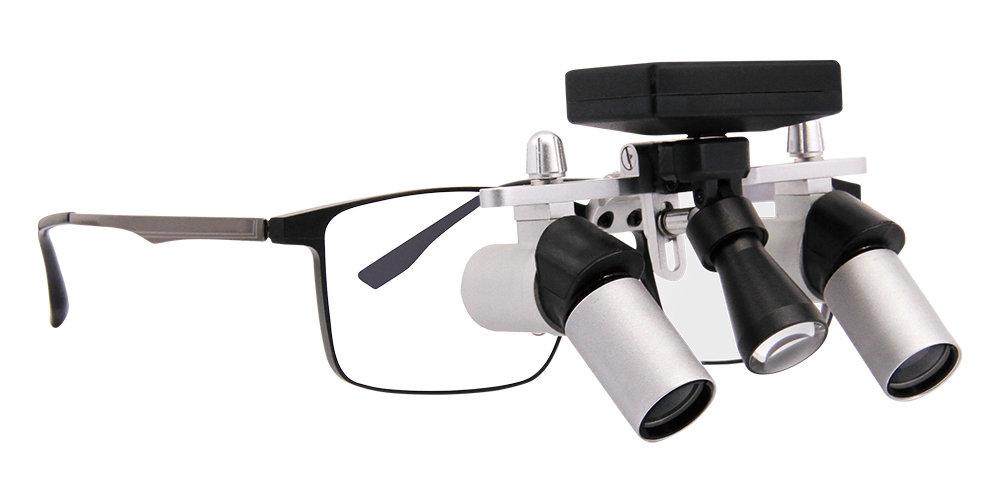
In modern clinical practice, small improvements in equipment can lead to meaningful gains in performance and comfort. One of the most overlooked upgrades is switching to ergonomic dental loupes. While many professionals focus on magnification and clarity, ergonomics often has a deeper and longer-lasting impact.
The benefits go beyond posture correction. From improved efficiency to reduced fatigue, ergonomic designs influence how clinicians work day after day. Understanding these hidden advantages helps explain why more professionals are making the switch, especially those working long clinical hours.
Ergonomic Dental Loupes: More Than Just Better Posture
When evaluating ergonomic dental loupes, most people focus on posture first. While that is important, it is only part of the story.
These systems are designed to align the user’s line of sight with a natural head position. This reduces the need to lean forward or tilt excessively.
The result is not just better posture, but a more stable and efficient working position throughout the day, even during longer and more demanding procedures.
Reduced Micro-Fatigue
Micro-fatigue builds gradually. It comes from holding small, unnatural positions for extended periods.
Ergonomic loupes reduce these subtle strains by allowing a more relaxed posture. Over time, this leads to noticeable improvements in comfort.
Less fatigue means more consistent performance, especially during longer procedures where precision must be maintained without interruption.
Improved Breathing and Energy Levels
Posture affects more than muscles. It also influences breathing.
An upright position allows for better lung expansion. This improves oxygen intake and helps maintain energy levels.
Clinicians often report feeling less drained at the end of the day after switching to ergonomic dentist loupes, particularly in high-volume practice settings.
Better Visual Stability
When the body is aligned properly, the head remains more stable. This directly affects how steady your field of view is.
A stable visual field reduces the need for constant micro-adjustments. This improves focus and accuracy.
Over time, this stability contributes to better overall efficiency and smoother clinical workflows.
Hidden Performance Benefits in Daily Practice
The advantages of ergonomic design become more apparent during real-world use.
Consistent Working Distance
Maintaining a consistent working distance is essential for clarity. Traditional loupes often require frequent repositioning.
Ergonomic designs help maintain a fixed and comfortable distance. This reduces interruptions during procedures.
Consistency leads to smoother workflows and fewer adjustments, which helps maintain focus during critical tasks.
Reduced Cognitive Load
Constantly adjusting posture and positioning takes mental effort. This is often overlooked.
With ergonomic dental loupes, the body naturally stays aligned. This frees up mental energy for the task at hand.
Less cognitive load improves concentration and decision-making during procedures, especially in complex or repetitive treatments.
Enhanced Precision Over Time
Fatigue and discomfort can reduce precision as the day progresses.
By minimizing strain, ergonomic designs help maintain steady hand control. This supports consistent accuracy.
The result is more reliable performance from the first patient to the last, without noticeable decline in focus.
Key Features That Deliver These Benefits
Not all ergonomic designs offer the same level of performance. Certain features make a significant difference.
Essential Feature Checklist
- Angled optical system for upright posture
- Lightweight and balanced frame
- Adjustable working distance
- High-resolution optics
- Secure and stable fit
These elements work together to improve both comfort and usability in demanding clinical environments.
Optical Quality Still Matters
Ergonomics should not come at the expense of clarity. High-quality lenses remain essential.
Clear magnification ensures that clinicians can see fine details without strain. This supports both efficiency and accuracy.
Well-designed systems combine optical precision with ergonomic benefits for a balanced experience.
Adaptability to Different Users
Every clinician has unique preferences and working styles.
Adjustable features allow users to fine-tune their setup. This improves comfort and performance.
Understanding how different configurations affect usability is becoming more common, especially as discussed in why younger dentists are switching to ergonomic dental loupes early.
Comparing Traditional vs Ergonomic Loupes
|
Feature |
Traditional Loupes |
Ergonomic Loupes |
|
Head Position |
Forward tilt |
Upright posture |
|
Fatigue Levels |
Higher over time |
Reduced |
|
Visual Stability |
Moderate |
Improved |
|
Long-Term Comfort |
Limited |
High |
This comparison highlights how ergonomic designs improve overall usability and long-term comfort.
Common Misconceptions About Ergonomic Loupes
Despite their benefits, some misconceptions still prevent adoption.
“They Are Hard to Adjust To”
There is a short adjustment period, but most users adapt quickly.
Once accustomed, many find it difficult to return to traditional designs due to improved comfort.
“They Are Only for Experienced Professionals”
Ergonomic systems benefit users at all stages. Early adoption can prevent long-term strain.
Students and early-career clinicians can build better habits from the start and avoid common posture issues.
“They Compromise Visibility”
High-quality ergonomic dental loupes maintain the same level of clarity as traditional systems.
The difference lies in how the optics are positioned, not in their quality or performance.
Practical Checklist Before Switching
Making the transition requires careful evaluation.
What to Consider
- Your current posture and discomfort levels
- Type and duration of procedures
- Preferred working distance
- Compatibility with existing equipment
These factors help determine the right configuration for your needs and daily workflow.
Why Schultz Loupes Focus on Ergonomic Design
Schultz Loupes emphasizes real-world performance. Their approach focuses on reducing strain while maintaining optical precision.
This balance ensures that clinicians can work comfortably without sacrificing accuracy or efficiency.
In addition to ergonomic solutions, Schultz Loupes is also the ultimate place for buying surgical headlights. Their systems are designed to deliver consistent illumination and support precise clinical work.
Built for Long-Term Use
Durability and comfort are key priorities. Products are designed to perform reliably over time.
This focus on long-term usability sets high-quality systems apart from basic alternatives and supports consistent daily performance.
Final Thoughts
Switching to ergonomic dental loupes offers benefits that go beyond immediate comfort. From reduced fatigue to improved precision, the impact is both practical and long-lasting.
By focusing on alignment, stability, and usability, ergonomic designs support better performance throughout the day.
For clinicians looking to improve both comfort and efficiency, the advantages become clear through consistent daily use and long-term results.